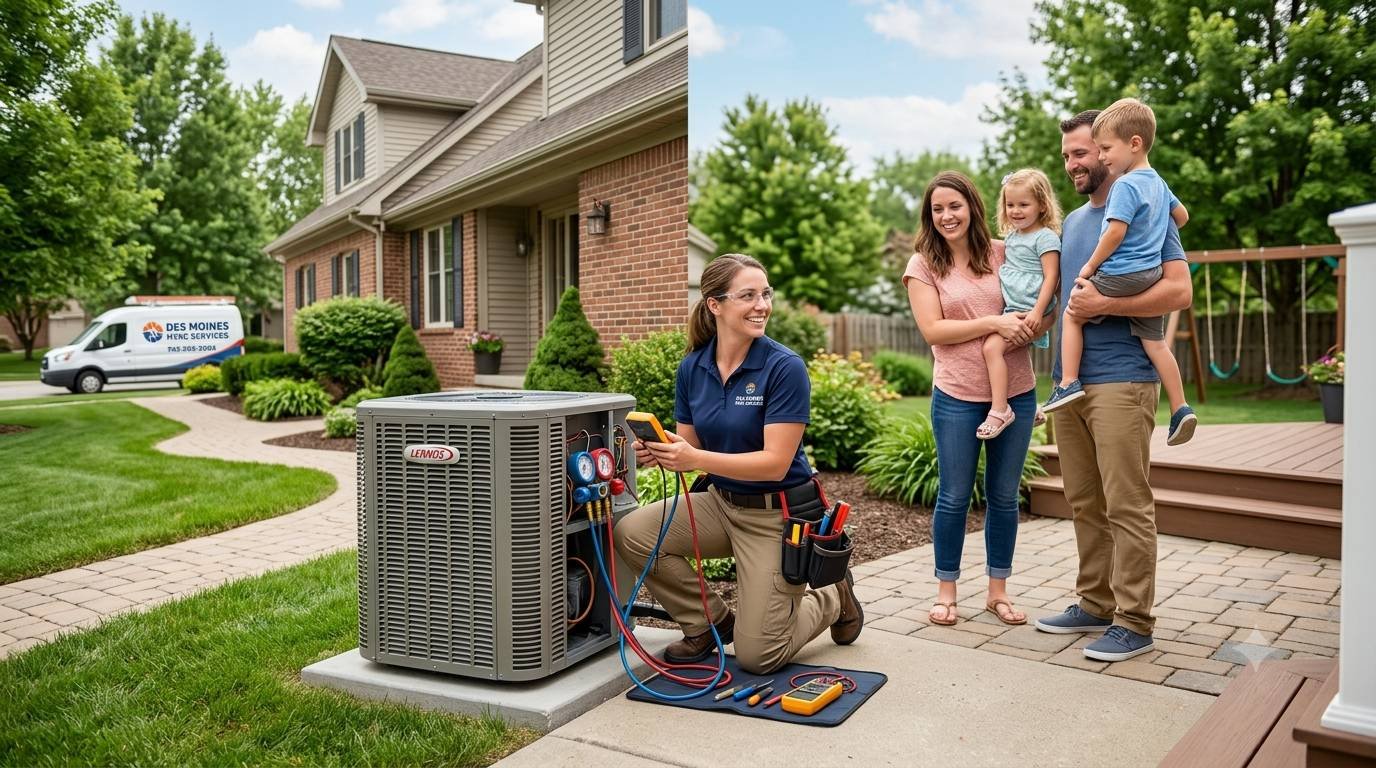
A heat pump can provide reliable heating and cooling while helping maintain a comfortable indoor environment throughout the year. However, even a well-designed system can consume more energy when it is poorly maintained, incorrectly operated, or affected by airflow problems. Simple changes to maintenance and daily use can make a meaningful difference to performance.
For homeowners looking to reduce unnecessary energy use, energy-efficient heat pump services can help identify issues that may be limiting system performance. Professional inspections can uncover problems involving airflow, electrical components, refrigerant levels, or other parts that affect how effectively the system operates. Addressing these concerns early can help maintain consistent comfort and avoid avoidable strain on the equipment.
Keep Filters Clean and Airflow Unrestricted
A clean air filter is essential for maintaining proper airflow. When a filter becomes clogged with dust and debris, the heat pump may have to work harder to move air through the system. Restricted airflow can reduce comfort and may contribute to increased energy consumption.
Check the filter regularly and follow the equipment manufacturer’s recommendations for cleaning or replacement. It is also important to keep supply vents and return air openings clear of furniture, curtains, and other obstructions. Good airflow allows the system to distribute conditioned air more effectively throughout the home.
Schedule Routine Professional Maintenance
Regular maintenance gives a heat pump an opportunity to receive attention before minor problems develop into larger performance concerns. During a professional inspection, a technician can examine important components, check system operation, and identify signs of wear or malfunction.
This is particularly useful when a heat pump has started making unusual noises, running for unusually long periods, or struggling to maintain the desired indoor temperature. Energy-efficient heat pump services can support proper system operation by addressing performance issues and helping homeowners understand when professional attention is needed.
Use Your Thermostat Wisely
Frequent and significant thermostat adjustments can make it harder for a heat pump to maintain steady indoor conditions. Instead, choose a comfortable temperature and make moderate adjustments when necessary. A programmable or smart thermostat can also help manage temperature settings according to your household’s schedule.
Avoid setting extreme temperatures in an attempt to heat or cool the home more quickly. A heat pump is designed to operate differently from some traditional heating systems, so allowing it to maintain a relatively consistent temperature can support smoother operation. Follow the recommendations provided by the equipment manufacturer for the best results.
Keep the Outdoor Unit Clear
The outdoor portion of a heat pump needs sufficient airflow to operate effectively. Leaves, grass clippings, dirt, and other debris can accumulate around the unit and restrict air movement. Regularly check the surrounding area and keep vegetation and stored items away from the equipment.
Take care when cleaning around the outdoor unit. Avoid damaging the fins or other components, and follow the manufacturer’s maintenance instructions. If the unit appears damaged, excessively dirty, or unable to operate normally, arrange for a professional inspection rather than attempting complex repairs yourself.
Improve Your Home’s Energy Performance
The efficiency of a heat pump is influenced not only by the equipment but also by the condition of the home. Poor insulation, air leaks around windows and doors, and inadequate sealing can allow conditioned air to escape. As a result, the system may need to operate longer to maintain a comfortable temperature.
Consider practical improvements such as sealing noticeable drafts, improving insulation where appropriate, and using curtains or blinds to manage heat gain through windows. These measures can reduce the workload placed on the heating and cooling system while making indoor temperatures more consistent.
Pay Attention to Warning Signs
Changes in system performance should not be ignored. A sudden increase in energy use, inconsistent temperatures, unusual sounds, weak airflow, or frequent cycling may indicate that the heat pump requires attention.
Rather than waiting for a complete breakdown, arrange an inspection when performance noticeably changes. Early investigation can help determine whether the issue is related to maintenance, airflow, controls, or another component. A qualified professional can recommend the appropriate solution based on the condition of the system.
Conclusion
Improving heat pump efficiency starts with sensible operation, regular maintenance, unrestricted airflow, and a home that supports efficient heating and cooling. Simple steps such as replacing dirty filters, keeping the outdoor unit clear, and managing thermostat settings can help the system operate more effectively.
Professional attention is also important when performance problems appear or routine maintenance is due. By combining good household practices with appropriate servicing, homeowners can support reliable comfort, reduce unnecessary energy use, and help their heat pump perform efficiently for years to come.


Leave a Reply
You must be logged in to post a comment.