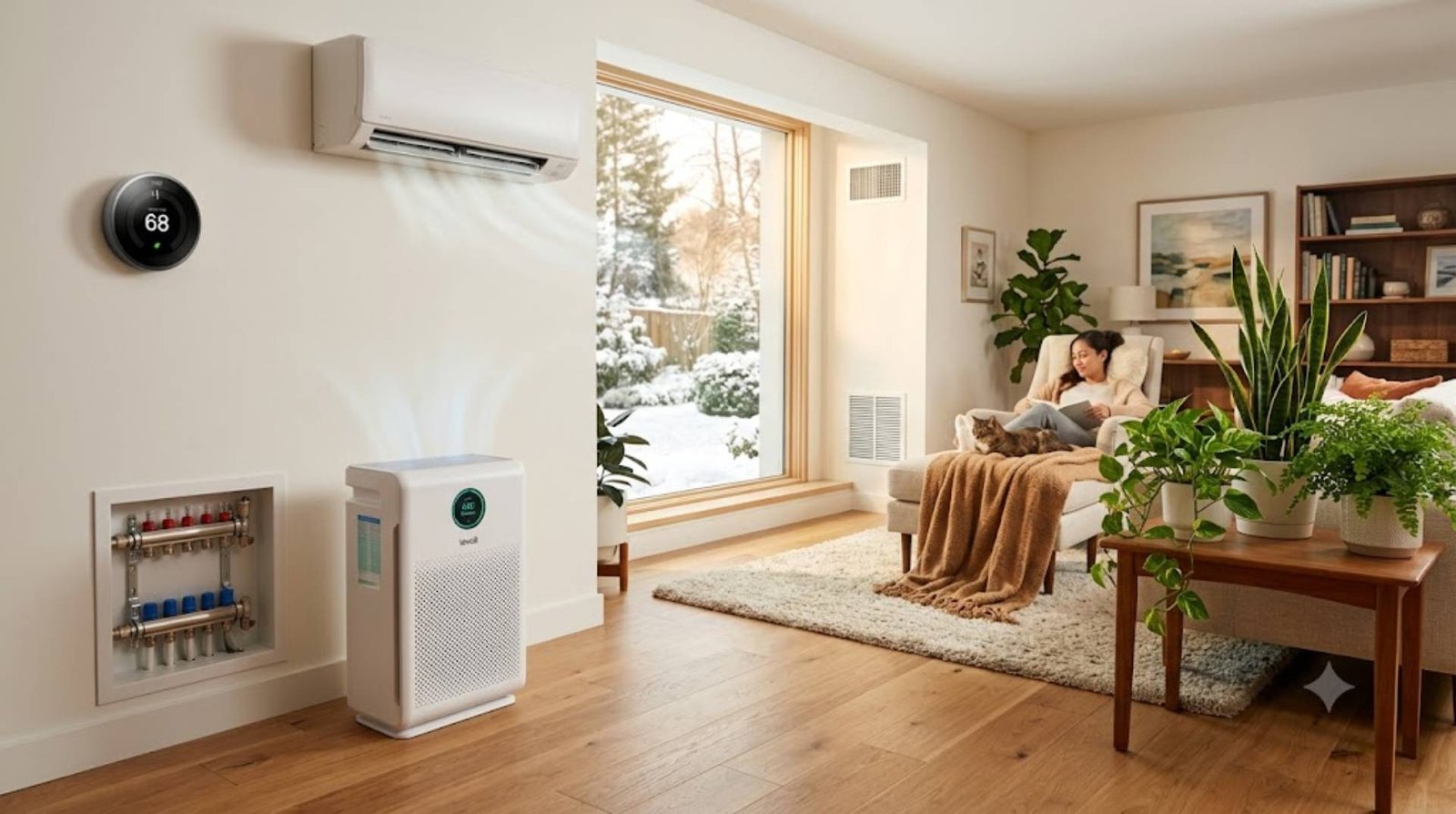
Keeping your home warm during cold months doesn’t mean sacrificing the clean air you breathe. By making smart, cost-effective heating upgrades, you can boost energy efficiency, lower your monthly utility bills, and significantly reduce indoor pollutants. Discover how practical HVAC improvements can transform your home comfort and air quality simultaneously.
Winter brings chilly temperatures, driving families indoors for months at a time. While turning up the heat keeps your living space cozy, standard heating systems can trap dust, dander, and stale air inside. The good news is that you do not need a complete system overhaul to breathe easier and save money on energy bills. By focusing on practical heating upgrades, homeowners can create an efficient environment that keeps heating costs manageable while maintaining clean, fresh airflow. Implementing healthy indoor air quality solutions alongside targeted heating enhancements helps protect your home’s comfort, your wallet, and your family’s overall well-being.
Smart and Affordable Heating Upgrades for Cleaner Air
1. Upgrade to High-Efficiency Air Filters
Standard fiberglass air filters are designed solely to protect heating equipment from large debris, but they do little to capture microscopic airborne contaminants. Switching to high-efficiency pleated filters rated MERV 11 to 13 significantly improves what passes through your furnace or heat pump. These upgraded filters trap tiny particles like pollen, mold spores, and pet dander before they circulate throughout your living space.
2. Seal and Insulate Your Heating Ductwork
Leaky air ducts allow heated air to escape into unconditioned attics or crawlspaces, forcing your heating unit to work overtime while pulling dirty air directly into your living spaces. Sealing joints with mastic sealant or specialized foil tape keeps your system running efficiently while stopping dust, insulation fibers, and outdoor pollutants from entering supply vents. This straightforward process prevents conditioned heat loss to directly lower monthly heating bills, ultimately balancing airflow and room temperatures across every floor of your home.
3. Install a Programmable or Smart Thermostat
Managing your heating system efficiently is one of the most cost-effective ways to cut energy waste. Smart thermostats automatically lower temperatures when you are sleeping or away from home, keeping energy consumption low without sacrificing comfort. In the middle of winter, combining efficient heating with healthy indoor air quality solutions like scheduled fan cycles ensures continuous air filtration without running your heater constantly on full power.
4. Integrate UV Germicidal Lights Within Ductwork
Ultraviolet light technology offers an economical way to target biological contaminants right at the source inside your HVAC unit. Installing UV germicidal lights near the coils destroys bacteria, viruses, and mold spores before they can multiply and blow through your home. This process prevents bio-growth on interior heating equipment components and reduces persistent odors caused by mold and bacterial accumulation. In addition, keeping interior coils free of residue improves overall system airflow and maintains peak operating efficiency.
5. Schedule Professional Heating System Maintenance
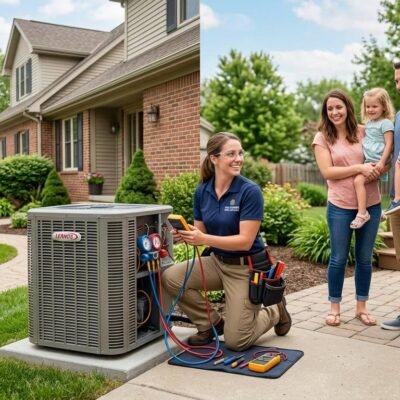
Annual furnace or heat pump tune-ups keep your equipment operating at peak performance while removing dirt buildup inside the unit. During maintenance, technicians clean vital components, inspect heat exchangers for safety, and adjust airflow for maximum performance. This removes dust and soot accumulations before they blow into your rooms, while identifying minor mechanical issues before they turn into costly repairs. Furthermore, proper servicing ensures safe fuel combustion and lowers seasonal energy consumption across the coldest months.
6. Perform Air Sealing and Blower Door Testing
Drafts around windows, doors, and floor joints waste heat and let outdoor pollutants bypass your filters. Performing air sealing guided by professional blower door testing pinpoints precise leaks so you can seal them effectively. Closing these hidden gaps eliminates cold drafts while maintaining steady, comfortable room temperatures and preventing exterior dust, smoke, and pollen from leaking inside uncontrolled. Ultimately, this lowers the overall heating burden on your system, extending its working life while keeping utility costs low.
7. Add an Energy Recovery Ventilator (ERV)
Tightly sealed, energy-efficient homes can trap moisture, stale air, and volatile organic compounds inside. An Energy Recovery Ventilator brings fresh, filtered outdoor air into your heating system while exhausting stale indoor air. It pre-conditions incoming outdoor air using heat from outgoing air, preserving warmth while constantly refreshing your home’s atmosphere.
8. Clear and Clean Dryer Vents Regularly
Lint buildup inside dryer vents restricts airflow, wastes appliance energy, and poses a serious fire hazard. Cleaning your dryer venting pathways is a low-cost maintenance task that prevents humid, dusty air from backing up into your laundry room and surrounding living areas.
- Boosts dryer efficiency while keeping appliance running costs low.
- Keeps fine lint particles from circulating into adjacent home air supply streams.
- Enhances total home safety by reducing high-heat fire hazards.
FAQs
How often should I replace high-efficiency furnace filters?
High-efficiency filters should generally be replaced every one to three months depending on household factors like pets, allergies, and local air quality.
Can duct sealing really lower my monthly heating bill?
Yes, sealing leaky ducts can improve heating efficiency by up to thirty percent while preventing contaminants from entering your duct system.
Do heat pumps help maintain better indoor air quality?
Modern heat pumps provide steady air circulation and built-in filtration, avoiding the harsh combustion particulates sometimes associated with older gas furnaces.
Will installing a smart thermostat clean my air?
While thermostats do not filter air directly, they allow you to run the system fan independently to continuously circulate air through your filtration system.
What is the fastest low-cost heating upgrade I can make today?
Replacing a basic air filter with a higher MERV-rated filter and sealing visible duct gaps are two immediate, affordable ways to improve warmth and air purity.
Closing Thoughts
Upgrading your home’s heating system does not require a massive budget to yield impressive results. Simple, affordable enhancements like high-efficiency air filters, smart thermostat management, professional tune-ups, and sealed ductwork work together to cut energy waste and keep utility costs under control. At the same time, these targeted improvements actively remove allergens, dust, and excess moisture, creating a healthier, more comfortable indoor environment for your entire family. Taking a proactive approach to home comfort protects both your financial investment and your physical health over time. Prioritizing healthy indoor air quality solutions along with simple heating upgrades ensures your home remains a warm, safe sanctuary all winter long.


Leave a Reply
You must be logged in to post a comment.