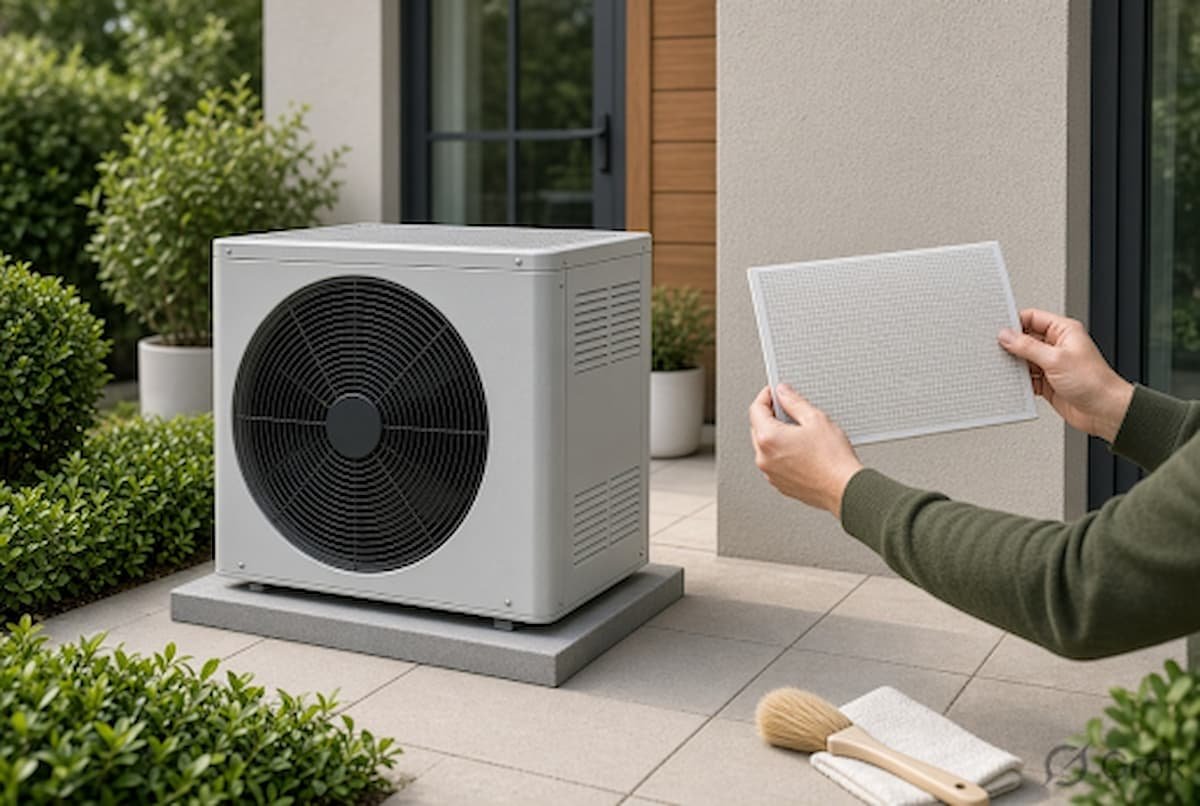
A cooling system that receives regular attention runs more efficiently, lasts longer, and is far less likely to fail on the hottest day of the year. Preventive maintenance is not complicated, but it does require consistency. Most of the work falls into two categories: simple tasks any homeowner can handle and deeper checks best left to a trained technician.
This guide walks through the essential maintenance points for central air conditioners and ductless mini-splits, shows you what to do yourself, and explains when professional service is the smarter choice. Follow a steady routine and you will catch small issues before they become expensive problems.
Start with the Air Filter
The filter is the single most important item under your control. A clogged filter restricts airflow, forces the system to work harder, and can lead to frozen coils or overheating.
Check the filter every 30 days during the cooling season. Replace disposable filters when they look gray or dirty—usually every one to three months depending on household conditions. Homes with pets, dust, or high occupancy often need more frequent changes. Washable filters should be cleaned according to the manufacturer’s instructions and allowed to dry completely before reinstallation.
Never run the system without a filter. Dirt that bypasses it settles on the indoor coil and reduces efficiency over time.
Keep Coils Clean
Both the indoor evaporator coil and the outdoor condenser coil need clear surfaces to transfer heat effectively.
Homeowners can gently vacuum or brush visible dust from the outdoor coil fins after turning the power off. Avoid bending the delicate aluminum fins. For the indoor coil, access is usually limited, so professional cleaning every one to two years is the practical approach. A dirty indoor coil is one of the most common causes of reduced cooling capacity.
Maintain Condensate Drainage
Air conditioners remove moisture from the air, and that water must drain away freely. A clogged condensate line or pan can cause water damage and shut the system down.
Pour a cup of distilled vinegar or a manufacturer-approved cleaner into the drain line at the start of the season and once or twice during peak use. Keep the outdoor drain outlet clear of debris. If you notice water around the indoor unit or hear the system shut off unexpectedly, the drain may be blocked and needs immediate attention.
Check the Thermostat and Airflow
Confirm that the thermostat is set correctly and that its batteries (if applicable) are fresh. Make sure supply and return vents are open and unblocked by furniture, rugs, or curtains. Closed or obstructed vents force the system to work against itself and can create pressure imbalances.
For ducted systems, listen for unusual airflow sounds or notice rooms that never seem to cool properly. These can signal duct leaks or design issues that a professional should evaluate.
Care for the Outdoor Unit
The outdoor condenser needs space and clean air. Keep at least two feet of clearance on all sides and above the unit. Trim back shrubs, pull weeds, and remove leaves or grass clippings that accumulate around the base.
Gently rinse the coil fins with a garden hose from the inside out if they appear dirty. Straighten bent fins carefully with a fin comb if needed. Level the unit if it has settled; an uneven base can stress the compressor and refrigerant lines.
Electrical Components and Professional Checks
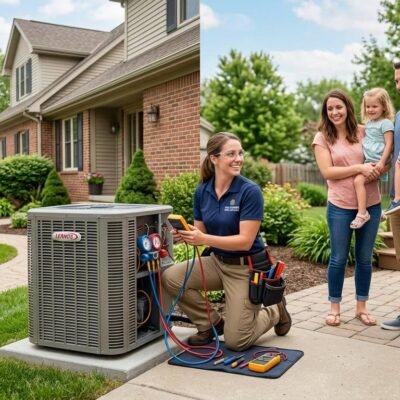
Homeowners should leave electrical connections, capacitors, contactors, and refrigerant levels to qualified technicians. These components involve high voltage and specialized tools. During a professional tune-up, the technician will inspect wiring, measure refrigerant charge, test safety controls, lubricate moving parts where applicable, and verify that the system is operating within design specifications.
Refrigerant is not a routine “top-off” item. Low charge almost always indicates a leak that must be located and repaired. Adding refrigerant without fixing the leak wastes money and harms performance.
Maintenance Differences by System Type
Central air systems require attention to ductwork integrity and filter accessibility at the air handler or furnace. Mini-splits need regular cleaning of the washable filters inside each indoor head and occasional professional cleaning of the indoor coil and blower. Both systems benefit from outdoor unit care and condensate drain maintenance.
Homes in dusty, coastal, or high-pollen areas may need more frequent filter changes and coil cleaning. Systems that run nearly year-round as heat pumps also accumulate more wear and deserve closer monitoring.
Common Mistakes to Avoid
- Neglecting the filter for months at a time
- Blocking supply or return vents with furniture
- Allowing plants or debris to crowd the outdoor unit
- Ignoring small changes in performance, unusual noises, or higher energy bills
- Attempting refrigerant work or major electrical repairs without proper training
Addressing these simple points prevents many service calls.
A Practical Maintenance Calendar
Monthly (cooling season)
- Inspect and replace or clean the air filter
- Confirm vents are open and unobstructed
Season start (spring)
- Clear vegetation and debris from the outdoor unit
- Rinse outdoor coils if dirty
- Flush the condensate drain line
- Test the thermostat and system operation
Mid-season
- Recheck the filter
- Listen for new noises or reduced cooling
Annually
- Schedule professional maintenance before peak cooling demand
- Have ducts inspected if the system is older or performance has declined
As needed
- Address water leaks, ice on coils, or sudden changes in airflow immediately
Frequently Asked Questions
How often should I change my AC filter?
Check it monthly during cooling season and replace it when it looks dirty—typically every one to three months. Homes with pets, allergies, or heavy dust may need monthly changes.
Can I clean the outdoor unit myself?
Yes. Turn off power at the disconnect, clear debris, and gently rinse the coil fins with a hose. Avoid high pressure and never use a pressure washer. Leave internal electrical and refrigerant work to a professional.
Why is my AC freezing up?
Restricted airflow from a dirty filter or blocked vents is the most common cause. Low refrigerant can also produce ice. Turn the system off, change the filter, open vents, and call a technician if the problem returns.
How often does a professional tune-up make sense?
Once a year, ideally in spring before heavy use begins, is the standard recommendation. Systems that run year-round as heat pumps may benefit from two visits.
Is flushing the condensate drain necessary?
Yes. A clogged drain can cause water damage and system shutdowns. A simple vinegar flush at the start of the season and occasionally during peak use helps keep it clear.
Do mini-splits need the same maintenance as central air?
The principles are the same, but the tasks differ slightly. Clean the indoor unit filters regularly—often monthly—and schedule professional cleaning of the indoor coils and blowers. Outdoor unit care remains important for both.
Conclusion
Reliable cooling comes from steady, practical care rather than occasional emergency repairs. Clean filters, clear coils, open vents, and an unobstructed outdoor unit form the foundation that any homeowner can maintain. Professional service once a year catches the deeper issues that tools and training can properly diagnose. Follow a simple calendar, respond to small warning signs early, and your cooling system will deliver consistent comfort with fewer surprises and lower operating costs over its lifetime.



Leave a Reply
You must be logged in to post a comment.