
Introduction
Maintaining healthy humidity levels inside the home plays a major role in comfort, indoor air quality, and long-term property protection. Many homeowners focus heavily on heating and cooling performance while overlooking how moisture levels affect daily living conditions. When humidity becomes too high or too low, it can create problems ranging from respiratory discomfort and allergy flare-ups to mould growth and structural damage. Balanced indoor humidity supports healthier air, improves energy efficiency, and helps household systems operate more effectively throughout the year.
Seasonal weather changes often make humidity control more difficult, especially during humid summers or dry winter months. Air conditioning systems, ventilation equipment, insulation quality, and plumbing conditions all influence indoor moisture levels. In some cases, homeowners experiencing uneven indoor comfort may also require AC repair in Chambersburg, PA to restore proper airflow and humidity management. Understanding how moisture behaves inside the home allows homeowners to create safer, cleaner, and more comfortable living environments while protecting valuable household investments.
Why Indoor Humidity Matters
Humidity refers to the amount of moisture present in the air. Indoor humidity levels that remain consistently balanced usually create a healthier and more comfortable environment for occupants. Most experts recommend keeping indoor humidity between 30 and 50 per cent throughout the year.
When humidity rises above recommended levels, indoor spaces can begin to feel damp, heavy, and uncomfortable. Excess moisture also encourages mould growth, dust mites, and bacteria, all of which can negatively affect indoor air quality. On the other hand, very dry air may cause irritated skin, dry sinuses, static electricity, and cracked wooden furniture or flooring.
Balanced humidity contributes to more stable temperatures as well. Air with proper moisture levels often feels cooler in summer and warmer in winter, reducing strain on heating and cooling systems.
Signs Your Home Has Humidity Problems
Many homeowners do not immediately recognise the warning signs of unhealthy humidity levels. Some symptoms appear gradually and may initially seem unrelated to moisture issues.
Condensation forming on windows is one of the most common signs of excessive indoor humidity. Persistent dampness around bathrooms, kitchens, basements, or utility rooms may also indicate poor ventilation or trapped moisture. Musty odours often point to hidden mould growth developing behind walls or beneath flooring.
Low humidity can produce an entirely different set of issues. Dry indoor air frequently causes sore throats, nose irritation, and itchy skin during colder months. Wooden furniture, doors, and flooring may shrink or crack when indoor moisture drops too low.
Humidity issues can sometimes develop alongside hidden plumbing concerns. Small leaks inside walls, beneath sinks, or around appliances may introduce excess moisture into the property over time. For this reason, many homeowners also schedule plumbing inspections in Chambersburg, PA when investigating unexplained humidity problems or signs of water damage.
How HVAC Systems Affect Humidity
Heating and cooling systems do far more than regulate temperature. Properly functioning HVAC equipment also plays an important role in controlling indoor moisture levels.
Air conditioning systems naturally remove humidity while cooling indoor spaces. However, if the system becomes oversized, poorly maintained, or develops airflow problems, it may fail to remove sufficient moisture from the air. This can leave rooms feeling sticky even when temperatures appear comfortable.
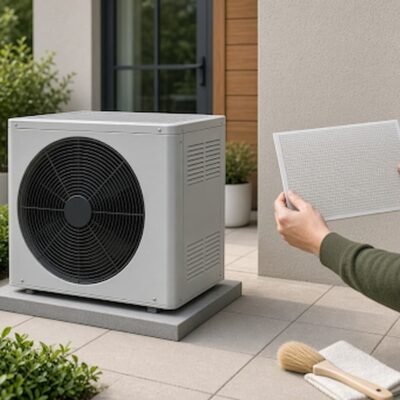
Dirty air filters, blocked ducts, frozen evaporator coils, and refrigerant issues may all interfere with humidity control. Regular maintenance helps HVAC systems maintain efficient airflow and balanced moisture removal throughout the home.
Ventilation also matters significantly. Homes that are tightly sealed for energy efficiency sometimes trap excess humidity indoors without proper airflow exchange. Exhaust fans, attic ventilation, and whole-home ventilation systems help manage moisture accumulation more effectively.
The Health Effects of Poor Humidity Control
Indoor humidity has a direct impact on overall health and wellbeing. High humidity environments encourage allergens and biological contaminants that may aggravate respiratory conditions. Mould spores thrive in damp conditions and can trigger asthma symptoms, coughing, headaches, and sinus irritation. Dust mites also multiply more rapidly in humid environments, increasing allergy-related discomfort for sensitive individuals.
Dry indoor air creates different health concerns. It can dry out nasal passages and throats, making occupants more vulnerable to irritation and infections. Many people also experience worsened eczema symptoms and eye discomfort when humidity levels fall too low during winter. Children, elderly individuals, and those with existing respiratory conditions are often especially sensitive to indoor moisture imbalances. Maintaining stable humidity helps support healthier indoor air quality year-round.
Protecting Your Home From Moisture Damage
Healthy humidity levels do not only improve comfort; they also protect the physical structure of the home. Excess moisture can slowly damage walls, ceilings, insulation, flooring, and wooden framing materials.
Over time, persistent dampness may weaken structural components and encourage rot in vulnerable areas. Paint peeling from walls or bubbling beneath surfaces often signals moisture trapped within building materials. Carpets and upholstery may also absorb moisture and develop unpleasant odours or mould growth.
Low humidity can be equally damaging to certain materials. Hardwood flooring, wooden cabinetry, and antique furniture often respond poorly to extremely dry conditions. Shrinkage and cracking may occur after prolonged exposure to dry indoor air. Routine maintenance, proper ventilation, and early leak detection all contribute to long-term moisture control and property preservation.
Practical Ways to Maintain Healthy Humidity Levels
Maintaining balanced indoor humidity often requires a combination of good ventilation habits and proper equipment maintenance.
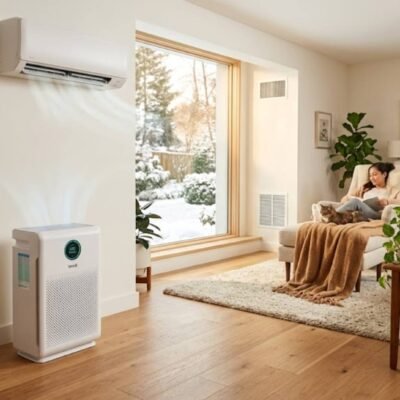
Using dehumidifiers during humid months can help remove excess moisture from basements and enclosed spaces. Humidifiers may improve comfort during dry winter conditions when heating systems reduce indoor moisture.
Simple daily habits also make a noticeable difference. Running exhaust fans while cooking or showering helps remove moisture before it spreads throughout the home. Opening windows periodically when outdoor conditions allow can improve air circulation and reduce trapped humidity.
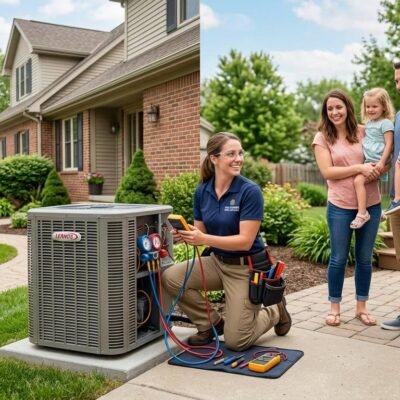
Regular HVAC servicing remains one of the most effective ways to support healthy indoor moisture levels. Clean filters, properly calibrated systems, and unobstructed airflow all contribute to more stable humidity control.
FAQs
What is the ideal humidity level for a home?
Most indoor environments remain comfortable and healthy when humidity levels stay between 30 and 50 per cent. This range helps reduce mould growth, minimise allergens, and improve indoor comfort throughout different seasons.
Can high humidity make a home feel hotter?
Yes, excessive humidity often makes indoor spaces feel warmer and more uncomfortable. Moist air slows the body’s natural cooling process, causing rooms to feel sticky even when air conditioning is running.
Does air conditioning help control humidity?
Air conditioning systems naturally remove moisture from indoor air while cooling the home. However, poorly maintained or improperly sized systems may struggle to manage humidity effectively.
What causes low humidity inside a house?
Low indoor humidity commonly occurs during winter when heating systems dry out indoor air. Poor ventilation and cold outdoor temperatures can also contribute to excessively dry conditions.
How can humidity affect indoor air quality?
Unbalanced humidity encourages mould, dust mites, and airborne irritants that may worsen allergies and respiratory discomfort. Proper moisture control supports cleaner and healthier indoor air.
Can plumbing leaks increase indoor humidity?
Yes, hidden plumbing leaks can introduce excess moisture into walls, floors, and enclosed spaces. Over time, this may increase indoor humidity and contribute to mould growth or water damage.
Conclusion
Healthy indoor humidity levels are essential for maintaining comfort, protecting property, and supporting better overall health. Excess moisture can encourage mould growth, allergens, and structural damage, while overly dry air may lead to respiratory irritation and damage to wooden furnishings. Because humidity affects both indoor air quality and household efficiency, maintaining proper balance should remain an important part of routine home maintenance.
Many factors influence indoor moisture control, including ventilation, insulation, plumbing systems, and HVAC performance. Addressing small warning signs early can help homeowners avoid more serious issues later. Whether through regular maintenance, improved airflow, leak prevention, or seasonal humidity adjustments, proactive moisture management creates a safer and more comfortable living environment throughout the year. A balanced indoor climate not only improves day-to-day comfort but also helps preserve the long-term condition and value of the home.


Leave a Reply
You must be logged in to post a comment.