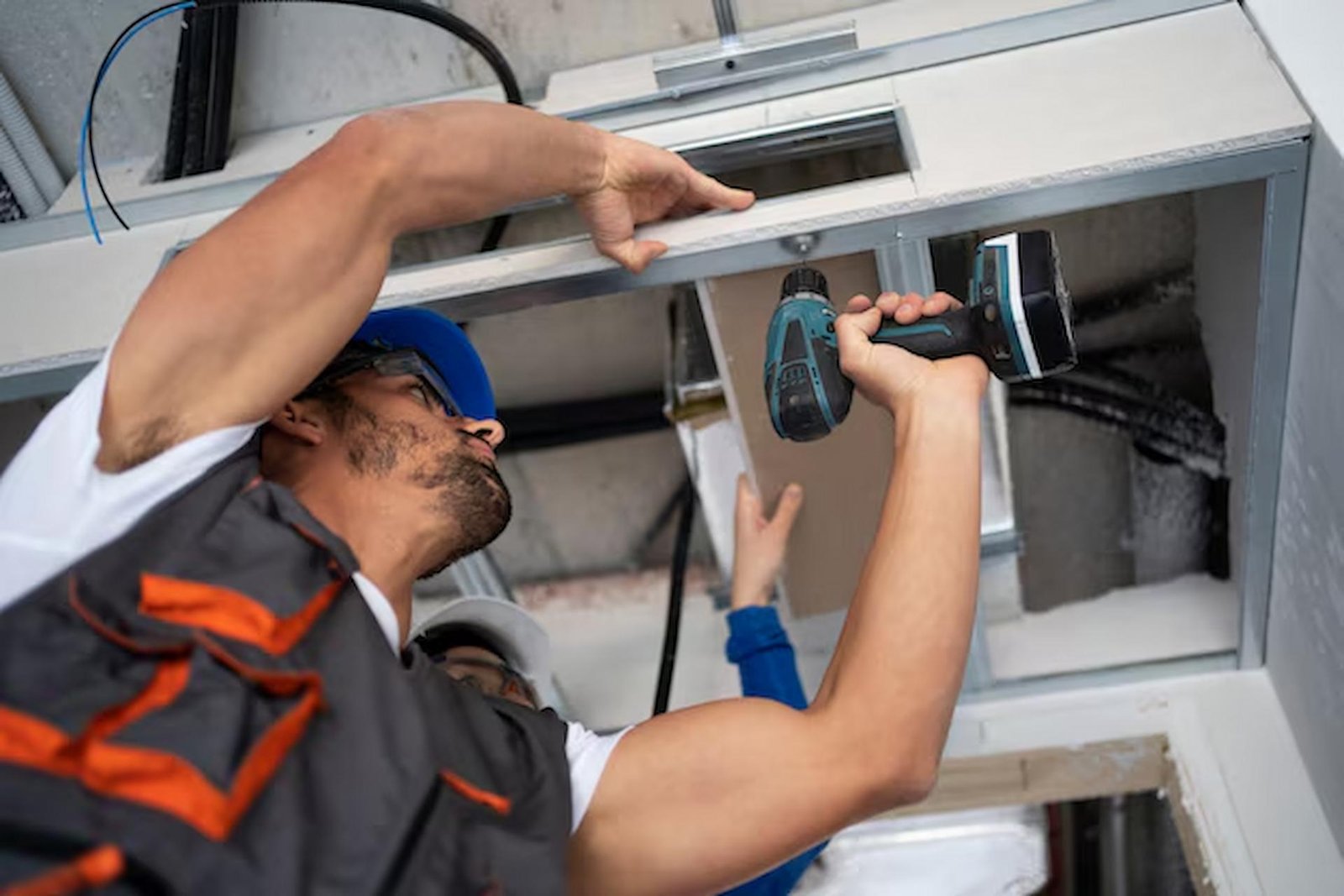
Rising energy bills have become a growing concern for homeowners, especially when heating systems work harder than necessary due to poor maintenance. What many people don’t realise is that spring offers the perfect opportunity to address inefficiencies before they turn into expensive problems. A few smart maintenance steps during this quieter season can make a noticeable difference in both comfort and long-term savings.
Spring is often overlooked when it comes to heating care, yet it plays a critical role in system performance. Homeowners who want to save money on Spring heating maintenance can take advantage of this transitional period to prepare their HVAC systems for the months ahead. By acting early, you avoid peak-season repair costs and ensure your system runs efficiently year-round.
Why Spring Is the Best Time for HVAC Maintenance
Spring sits between heavy heating and cooling seasons, making it the ideal time to service your HVAC system. During this period, technicians are more available, and minor issues can be resolved before they escalate.
Another advantage is reduced system strain. Since your heating system isn’t working constantly, it’s easier to identify and fix inefficiencies without disrupting your daily comfort. Addressing these issues early also helps prevent breakdowns during colder months when you rely on your system the most.
Common Causes of High Heating Bills
Many households unknowingly lose money due to avoidable HVAC issues. Understanding these common causes can help you take targeted action.
Dirty or Clogged Air Filters
Air filters trap dust and debris, but when they become clogged, airflow is restricted. This forces your system to work harder, increasing energy consumption.
Leaky Ductwork
Small leaks in duct systems can lead to significant heat loss. Even minor gaps can reduce overall efficiency and drive up utility costs.
Aging Equipment
Older furnaces and heating systems often operate less efficiently than modern models. Without regular maintenance, their performance declines further over time.
Poor Thermostat Management
Incorrect settings or outdated thermostats can result in unnecessary heating, leading to wasted energy and higher bills.
Spring HVAC Checklist for Energy Savings
A structured maintenance approach ensures nothing important is missed. Here are essential steps homeowners should follow:
- Replace or clean air filters to improve airflow
- Inspect ductwork for leaks and seal any gaps
- Clean vents and registers to remove dust buildup
- Check thermostat settings for accuracy and efficiency
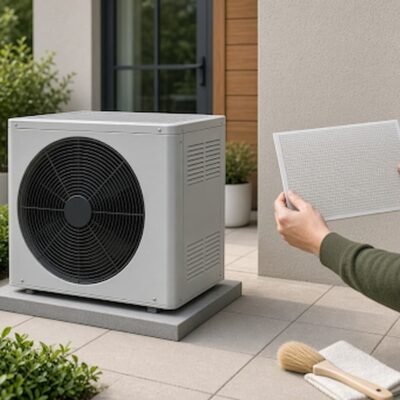
- Clear debris around outdoor HVAC units
DIY Tasks vs Professional Servicing
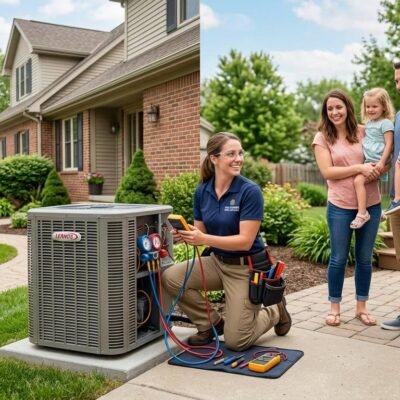
While basic tasks like changing filters can be handled independently, professional inspections go deeper. Experts can identify hidden inefficiencies that are not immediately visible, ensuring your system operates at its best.
Professional Maintenance vs DIY: What Matters Most
There is a clear difference between routine upkeep and comprehensive system care. DIY efforts help maintain basic performance, but they often miss underlying issues that affect long-term efficiency.
Homeowners looking to save money on Spring heating maintenance should consider professional servicing as a valuable investment rather than an expense. Trained technicians can detect worn components, optimise system settings, and improve overall performance in ways that are difficult to achieve on your own.
In many cases, a single professional tune-up can prevent costly repairs later in the year. It also ensures your system meets safety standards and operates reliably when you need it most.
Smart Upgrades That Improve Heating Efficiency
Beyond maintenance, strategic upgrades can significantly reduce heating costs. Modern solutions are designed to enhance efficiency while providing better control over energy usage.
Programmable thermostats allow homeowners to adjust temperatures automatically based on daily routines. This reduces unnecessary heating when no one is home. Smart thermostats take this a step further by learning your habits and optimising settings in real time.
Improving insulation is another effective strategy. Well-insulated homes retain heat more efficiently, reducing the workload on your HVAC system. Sealing air leaks around windows and doors also prevents heat from escaping.
For older systems, upgrading to an energy-efficient furnace can deliver substantial long-term savings. While the upfront cost may seem high, the reduction in monthly energy bills often offsets the investment over time.
Long-Term Benefits of Regular HVAC Maintenance
Consistent HVAC maintenance offers more than just immediate cost savings. It contributes to the overall health and longevity of your system.
A well-maintained system uses less energy, which directly lowers utility bills. It also experiences fewer breakdowns, reducing the need for emergency repairs. Over time, this leads to significant financial savings and greater peace of mind.
Regular servicing also improves indoor comfort. Proper airflow, balanced temperatures, and efficient operation create a more consistent and comfortable living environment. Additionally, clean systems contribute to better indoor air quality, which is essential for overall health.
Homeowners who consistently maintain their systems find it much easier to save money on Spring heating maintenance while avoiding unexpected expenses throughout the year.
Conclusion
Spring HVAC maintenance is one of the most practical and cost-effective ways to manage heating expenses. By addressing small issues early, homeowners can prevent larger problems, improve efficiency, and extend the lifespan of their systems.
Simple actions such as replacing filters, sealing ducts, and scheduling professional inspections can have a lasting impact. When combined with smart upgrades like programmable thermostats and improved insulation, these efforts create a more energy-efficient home.
Ultimately, taking a proactive approach ensures your HVAC system performs reliably when it matters most. With the right strategy in place, reducing heating costs becomes not just achievable, but sustainable over the long term.


Leave a Reply
You must be logged in to post a comment.