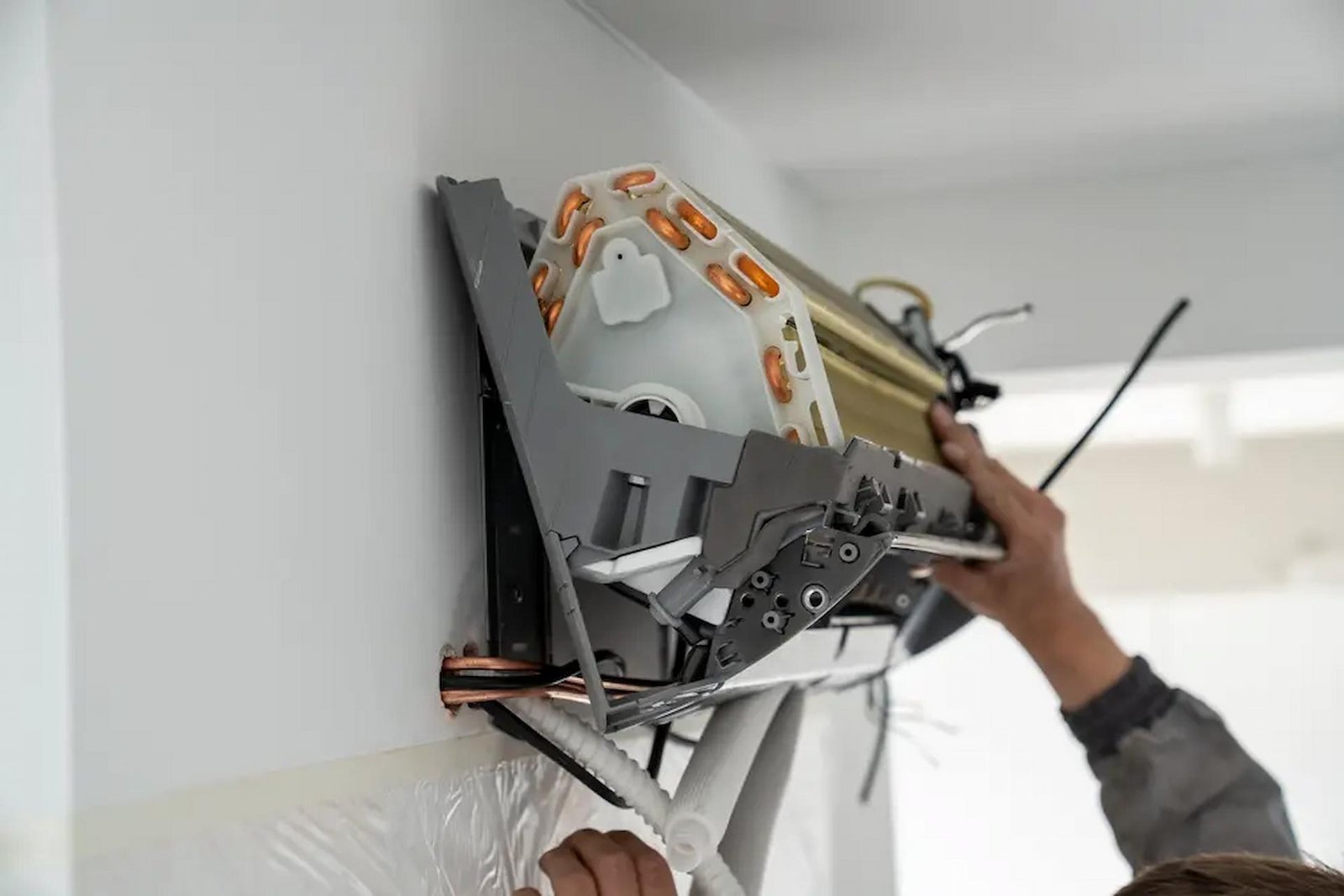
Mini split systems have become a popular heating and cooling solution for homeowners who want energy efficiency, flexible temperature control, and reliable comfort. Unlike traditional HVAC systems, mini splits operate without ductwork and allow individual temperature settings in different rooms. However, like any mechanical system, they can occasionally develop problems that affect performance.
If your mini split is not working properly, understanding some of the most common issues can help you identify potential causes and determine when professional assistance may be needed. In some situations, scheduling mini split repair in Washington Court House, OH may be the best way to restore comfort and prevent further damage to the system.
The Unit Won’t Turn On
One of the most frustrating problems is when a mini split refuses to start at all. Before assuming the system has failed, check a few basic items.
First, verify that the unit is receiving power. A tripped circuit breaker or blown fuse can prevent the system from operating. Make sure the remote control has working batteries and that the settings are correctly configured.
If power is available but the system remains unresponsive, there may be an issue with internal electrical components, wiring connections, or the control board. These problems generally require professional diagnosis and repair.
Poor Cooling or Heating Performance
A mini split that runs but struggles to maintain the desired temperature can have several underlying causes.
Dirty air filters are among the most common reasons for reduced performance. When filters become clogged with dust and debris, airflow is restricted, making it harder for the system to heat or cool effectively.
Another possible issue is blocked outdoor equipment. Leaves, dirt, grass clippings, and other debris can interfere with airflow around the condenser unit, reducing efficiency.
Low refrigerant levels may also contribute to poor performance. Refrigerant leaks should always be addressed by a qualified HVAC technician since proper handling requires specialized equipment and training.
Weak Airflow From Indoor Units
If little air is coming from the indoor air handler, the problem often involves airflow restrictions.
Start by inspecting and cleaning the air filters. Dirty filters can significantly reduce airflow and force the system to work harder than necessary.
Blocked vents, obstructed air handlers, or dirty evaporator coils can also impact airflow. Regular maintenance helps prevent these issues and keeps the system operating efficiently throughout the year.
In some cases, a malfunctioning fan motor may be responsible for weak airflow. Professional inspection can determine whether repairs or replacement parts are needed.
Water Leaking From the Indoor Unit
Mini splits naturally produce condensation during operation. Normally, this moisture drains away through a condensate line. However, when drainage problems occur, water may begin leaking from the indoor unit.
A clogged drain line is one of the most common causes. Dirt, dust, mold, or debris can block the line and prevent water from draining properly.
Improper installation or a damaged drain pan may also contribute to leaks. While minor clogs can sometimes be cleared, recurring drainage problems should be evaluated by an HVAC professional to prevent water damage and mold growth.
Unusual Noises During Operation
Mini split systems are generally known for quiet operation. If you suddenly hear strange sounds, the system may be signaling a problem.
Common noises and possible causes include:
- Buzzing sounds from electrical issues
- Rattling caused by loose components
- Clicking from faulty relays or controls
- Grinding noises from worn motor bearings
- Hissing sounds that may indicate refrigerant leaks
Any new or persistent noise should be investigated promptly. Ignoring unusual sounds can allow minor problems to develop into more expensive repairs.
The System Frequently Cycles On and Off
Short cycling occurs when a mini split repeatedly turns on and off before completing a normal heating or cooling cycle.
This issue can increase energy consumption and place unnecessary stress on system components.
Several factors may contribute to short cycling, including dirty filters, thermostat sensor problems, refrigerant issues, or improperly sized equipment. Determining the exact cause often requires a professional evaluation.
Addressing short cycling early can improve efficiency and extend the lifespan of the system.
Remote Control Problems
Sometimes the mini split itself is functioning properly, but the remote control is causing communication issues.
If the unit is not responding to commands, replace the batteries and ensure there are no obstructions between the remote and the indoor unit.
Check for signs of damage or worn buttons. If the remote still does not work, there may be a communication problem between the control system and the unit that requires technical troubleshooting.
Preventive Maintenance Makes a Difference
Many common mini split problems can be avoided through regular maintenance. Routine care helps improve efficiency, reduce wear and tear, and identify small issues before they become major repairs.
Simple maintenance tasks include:
- Cleaning or replacing filters regularly
- Keeping outdoor units free from debris
- Checking for unusual noises or leaks
- Scheduling annual professional inspections
- Monitoring system performance throughout the year
Consistent maintenance not only helps prevent breakdowns but also supports better energy efficiency and indoor comfort.
Final Thoughts
Mini split systems are reliable and efficient, but occasional issues can affect their performance. Whether the problem involves poor airflow, leaking water, weak temperature control, or unusual noises, identifying the cause early can help prevent more serious damage.
By understanding the most common mini split problems and staying proactive with maintenance, homeowners can keep their systems running smoothly. When basic troubleshooting does not resolve the issue, professional service can help restore comfort and ensure the system continues operating efficiently for years to come.



Leave a Reply
You must be logged in to post a comment.